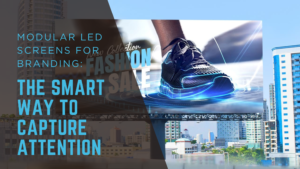
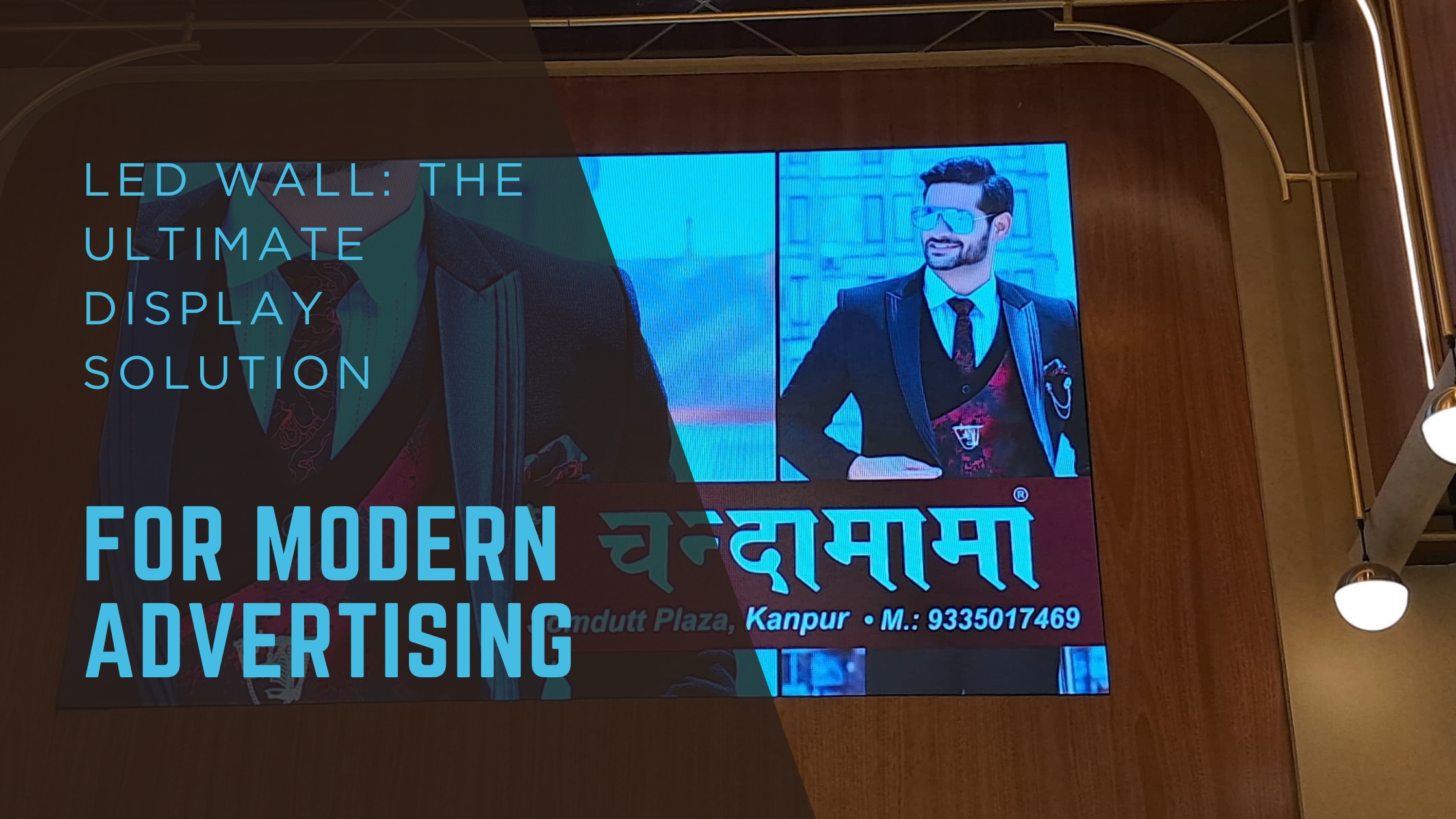
When practically everyone on the street is glued to their smartphone, slapping a printed ad on a wall is basically setting your marketing budget on fire. If you actually want to grab attention in today’s saturated market, you need digital real estate that hits hard. You have to physically force people to look up. That’s exactly why the smart money is ditching paper and pivoting fast to modular digital setups.
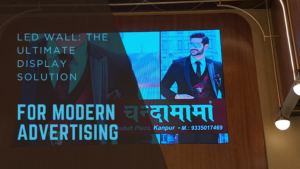
Building a Massive LED Video Wall
Buying a giant display isn’t like picking out a TV for your living room. You’re investing in a revenue engine designed to absolutely dominate the physical space it sits in.
-
Scale your canvas whenever you want:
-
-
Forget being trapped with a fixed, rigid screen size that feels too small for your wall next year.
-
Precision-engineered interlocking tiles mean you buy what you can afford right now, and seamlessly scale up tomorrow.
-
When the operational budget opens up, you just snap on a few more modules. Your digital footprint grows horizontally or vertically right alongside your business.
-
-
Killing the visible bezel:
-
-
Remember those old LCD walls? The ones where thick black grid lines chopped the presenter’s face in half and ruined your logo? Those are completely obsolete.
-
Modern panels lock in flawlessly, edge-to-edge, leaving zero visible gaps.
-
You get a massive, 100% uninterrupted picture. It looks less like a bolted-on screen and more like a sleek architectural feature of the room.
-
-
Running lean with Common Cathode tech:
-
-
Old hardware used to blast maximum voltage to every single color diode, wasting a ridiculous amount of electricity as heat.
-
Now, we send precise voltage specifically to the red, green, and blue diodes. This drops your power draw by almost 30 percent.
-
The board stays totally cool to the touch, which drastically extends the lifespan of the lights and saves a fortune on your monthly utility bill.
-
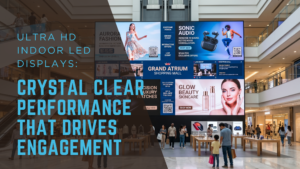
Mastering the Room with an Indoor LED Wall Display
Step inside an Orion LED Experience Centre in Mumbai or Delhi, and the difference hits you immediately. An indoor setup changes the entire vibe of a room because the up-close visual clarity is just undeniable.
-
Upgrading control rooms and corporate boardrooms:
-
-
CEOs and directors are constantly tracking dense analytics and live data feeds. Squinting at a washed-out projector is bad for business.
-
Going with an ultra-fine pixel pitch (like P1.2) crams millions of diodes together so those heavy spreadsheets stay razor-sharp.
-
All-In-One (AIO) setups run completely silent, need zero warm-up time, and punch right through harsh overhead office lights.
-
-
Smart classrooms and healthcare spaces:
-
-
When an educator or medical professional is reviewing detailed diagrams, they need flawless color accuracy and zero pixelation.
-
Top-tier processors keep those colors completely true, even when you dim the whole wall down to 20 percent for a dark lecture hall.
-
That intense clarity commands the room and keeps the audience locked into the presentation material.
-
-
Beating the smartphone camera:
-
-
Host a major corporate product launch, and half the crowd is going to pull out their phones to film the stage.
-
If you don’t have a 3840Hz refresh rate (or higher), your screen is going to flicker badly on camera. Premium hardware eliminates those ugly black scan lines, ensuring your brand looks flawless on social media.
-
Surviving the Elements with an Outdoor LED Wall
Advertising on the chaotic streets of Lucknow or Delhi is a totally different beast. To cut through that noise, your DOOH (Digital Out-of-Home) hardware has to be obnoxiously bright and practically bulletproof.
-
Punching through the midday sun:
-
-
Put a standard indoor screen in a storefront window, and it turns into a useless grey mirror at noon.
-
Commercial outdoor panels push insane brightness—we’re talking anywhere from 5,000 to over 10,000 NITS.
-
That raw power ensures your logo stays vibrant and sharp, even with the midday sun beating right down on the glass.
-
-
Automating your ad revenue:
-
-
This hardware isn’t just a sign; it’s a data-driven money maker.
-
You can hook the system directly up to programmatic DOOH ad bidding platforms and mobile data trackers.
-
This lets you automatically sell premium ad slots to national brands based on real-time foot traffic, removing all the manual sales friction.
-
-
Laughing off extreme weather:
-
-
Cheap gear won’t survive a single Indian monsoon season or a brutal summer heatwave.
-
Civic-grade screens use fully sealed IP65 or IP68 aluminum cabinets.
-
They shrug off heavy rainstorms, intense UV rays, and suffocating dust without suffering a single electrical short-circuit.
-
The Logistics Behind LED Display Wall Panels
Ask any AV tech: hauling clunky, die-cast metal cabinets is an absolute nightmare. Thankfully, the latest modular panels have completely flipped the script on rigging and daily maintenance.
-
Shedding the heavy weight:
-
-
Setup crews absolutely despise dealing with massive flight cases and dangerous, heavy rigging.
-
Using ultra-light carbon fibre and slim aluminium chassis solves this problem entirely.
-
The massive drop in weight saves your business thousands of dollars on heavy freight shipping and expensive installation labor.
-
-
Fixing dead pixels in seconds:
-
-
If a block goes dark during a major ad campaign, you can’t afford to pull the plug for three days to fix it.
-
Modern panels feature a smart 100 percent front-service design.
-
A tech just grabs a magnetic extraction tool, pops the dead module right off the front, and snaps a new one in. It takes maybe five seconds.
-
-
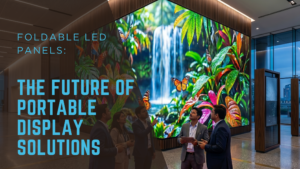
Bending the rules of architecture:
-
-
Who says you have to mount a boring 16:9 rectangle on a flat concrete wall?
-
Soft, flexible modules can easily snake around giant support columns or hug the curved sides of an escalator.
-
Installers are even building sharp 90-degree corners to run viral, naked-eye 3D videos where products look like they are physically flying out over the sidewalk.
-
-
Managing the chaos from the cloud:
-
-
Walking around with a USB stick to update a lobby sign is incredibly outdated.
-
Today, you manage the entire visual network through a secure, remote cloud dashboard.
-
If a power supply drops or a cable unplugs, your tech team gets an instant automated ping on their phones to handle it before anyone notices.
-
Conclusion
Stop blowing your marketing budget on static signs that nobody cares to read. The daily fight to get a consumer’s attention is absolutely brutal right now, and playing it safe is the quickest way to get completely ignored.
-
Go modular: Don’t get trapped by an outdated screen size. Lock in tech that lets you expand your physical footprint whenever you want.
-
Crank the brightness: Make sure your content punches through harsh sunlight and survives whatever the weather throws at it.
-
Own the environment: Use flexible, seamless hardware to build an immersive digital space that physically stops people in their tracks and makes them remember your brand.