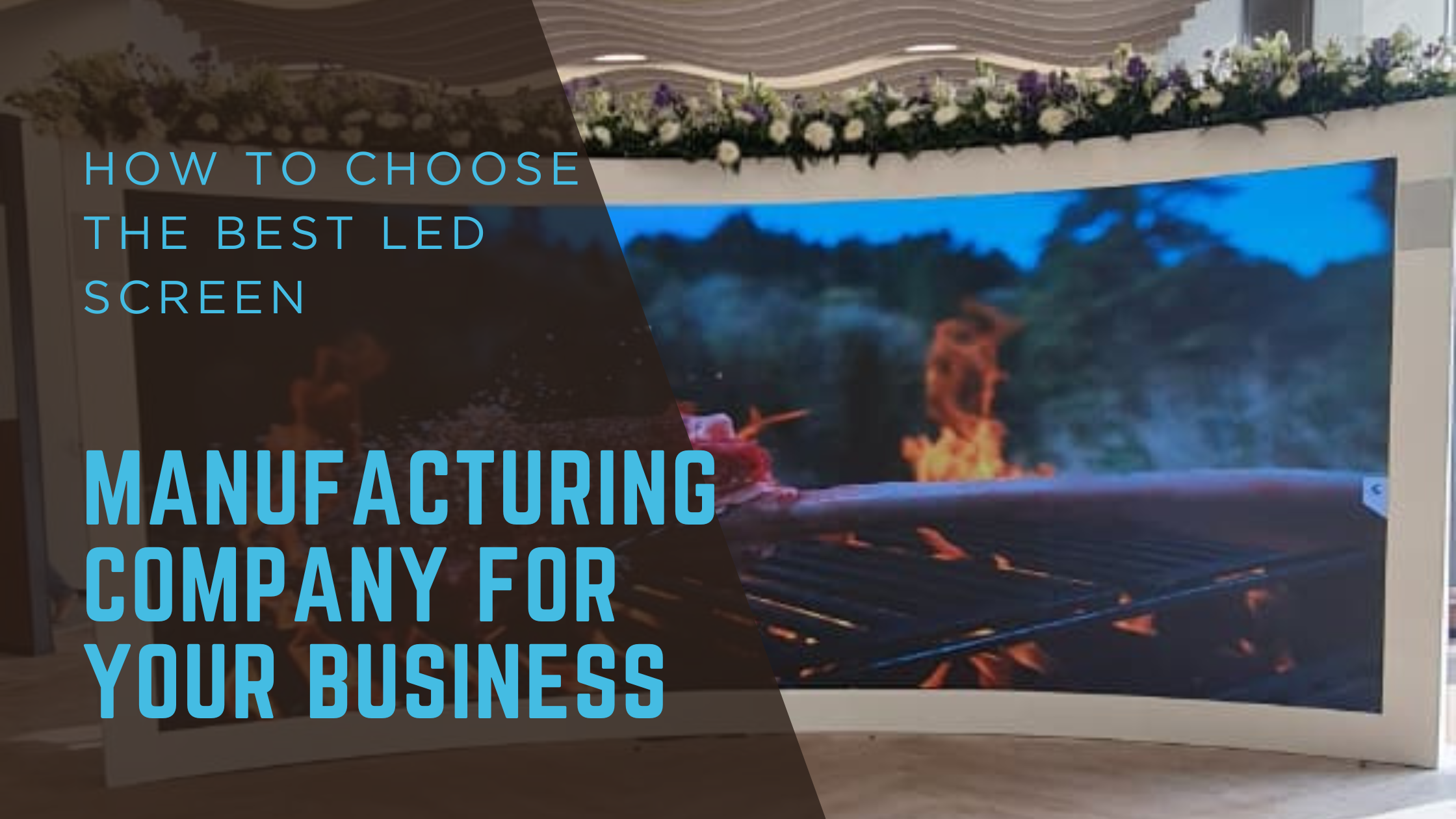
Slapping a few standard flat-screen TVs on a lobby wall simply doesn’t impress anyone anymore. Whether you are outfitting a corporate headquarters or a dedicated LED Experience Centre in hubs like Mumbai, Lucknow, or Delhi, you need a massive, seamless digital canvas to stop foot traffic actually. But navigating this market is tough because it is flooded with vendors pushing cheap, imported parts that fail right when you need them most. Let’s look at exactly how to cut through the sales pitches and hire the right team for your visual infrastructure.
Stop Buying Generic Boxes from Middlemen
The quickest way to waste your AV budget is treating this procurement like buying a standard office monitor. You cannot settle for a middleman simply reselling generic hardware; you need actual LED display manufacturers who engineer and build the technology from the ground up.
-
Avoid the white-label trap: Plenty of vendors just import rigid, cheap cabinets from overseas and stick their own logo on the box. Find a partner who owns their engineering process and builds hardware specifically for your project’s unique demands.
-
Demand custom fabrication: A solid engineering team will never ask your architect to compromise. They fabricate custom steel brackets so the screens perfectly hug sweeping curved walls or wrap cleanly around large concrete pillars.
-
Aggressive thermal control: Big digital screens generate a massive amount of heat. Good builders integrate heavy-duty heat sinks and internal cooling systems so the panels don’t overheat and fail during 24/7 continuous operation.
Insist on Custom Engineering for Your Space
Your architect likely spent months designing a premium aesthetic for your space. Do not let a lazy vendor ruin that hard work by forcing clunky, square boxes into the room. You have to hire experienced LED video wall manufacturers who adapt the screen to fit your room, not the other way around.
-
Zero visible seams: When the physical hardware locks together, the digital canvas should look perfectly flush. Visible black lines or mechanical gaps between the panels instantly shatter the illusion and make your brand wall look incredibly cheap.
-
Front-access repairs: Electronics eventually need maintenance. Premium hardware lets a local technician use a magnetic tool to pop out a single dead tile directly from the front in seconds, skipping the nightmare of dismantling a heavy steel wall.
-
Smart pixel pitch math: If people walk right past your lobby screen, you absolutely need a tight sub-2.0mm pixel pitch for a crisp image. Don’t let a vendor sell you a cheaper, wider pitch that makes your 4K videos look pixelated and blurry up close.
Know the Rules for indoor and outdoor LED displays
You cannot just take an indoor screen, stick it in a plastic weather casing, and expect it to survive a heavy monsoon. The engineering rules for indoor and outdoor LED displays are entirely different, and a reliable builder will always strictly separate the two technologies.
-
Beating the sun vs. fighting glare: Outdoor panels must push over 5000 nits of raw brightness to remain visible under direct afternoon sun. Indoor screens focus on deep black contrast to cut through the washed-out glare of lobby skylights and track lighting.
-
Total weather sealing: Outdoor hardware takes a beating from heavy rain, dust, and wind. It requires a fully sealed, custom-engineered chassis with reinforced waterproofing that indoor panels simply don’t have.
-
Structural load math: Outdoor highway boards carry massive dead weight and catch the wind like giant sails. Your manufacturer must provide stamped, certified structural math proving the screen won’t rip off the building during a severe storm.
Demand Bulletproof Local Support
Procuring the hardware is honestly only half the battle. If your flagship display goes dark on a Friday afternoon, waiting three weeks for replacement parts to clear customs is not an option. You need LED screen suppliers with a dedicated, reliable local footprint.
-
Boots on the ground: You need a local crew that can load up a truck, drive over, and fix the hardware the exact same day. If a vendor cannot provide immediate, on-site troubleshooting, do not sign the deal.
-
In-person software training: The best builders will actually sit in the room with your IT and marketing teams. They physically train your staff to map content, schedule videos, and sync the screen with your existing visitor management tools.
-
Ironclad local warranties: Never write a check unless the supplier guarantees rapid-response repairs in writing. If their business model is just dropping off pallets and ghosting you, walk away.
Securing Premium commercial LED display solutions
Investing in a giant digital canvas is a major financial commitment, but it is necessary to keep your physical locations relevant. By locking down premium commercial LED display solutions, you guarantee reliable visual infrastructure that drives foot traffic and commands authority.
-
Total project management: Great suppliers act as your lead project managers. They handle the complex structural math, run the backend data wiring, and coordinate with site electricians so your internal team doesn’t get bogged down in construction chaos.
-
Zero downtime guarantees: If you run an airport terminal or a 24/7 corporate control center, a blank screen is an operational failure. Reliable vendors back their hardware with strict maintenance contracts to keep the lights on no matter what.
-
True scalability: Modular setups mean you are not boxed into one specific screen size forever. If you decide to expand your lobby next year, you simply buy and snap in a few more matching panels instead of starting over from scratch.
Conclusion
Replacing old printed posters with a massive digital canvas is the fastest way to pull your commercial real estate into the modern era. Just remember that you are dealing with heavy architectural integration and complex networking, not a simple DIY project.
-
Spend the cash on contrast: Do not cheap out on pixel pitch or diode quality; it will show.
-
Demand custom frames: Force your vendor to engineer a physical mounting frame that fits your specific wall flawlessly.
-
Lock in the safety net: Never sign a contract unless they guarantee local, rapid-response repairs in writing.